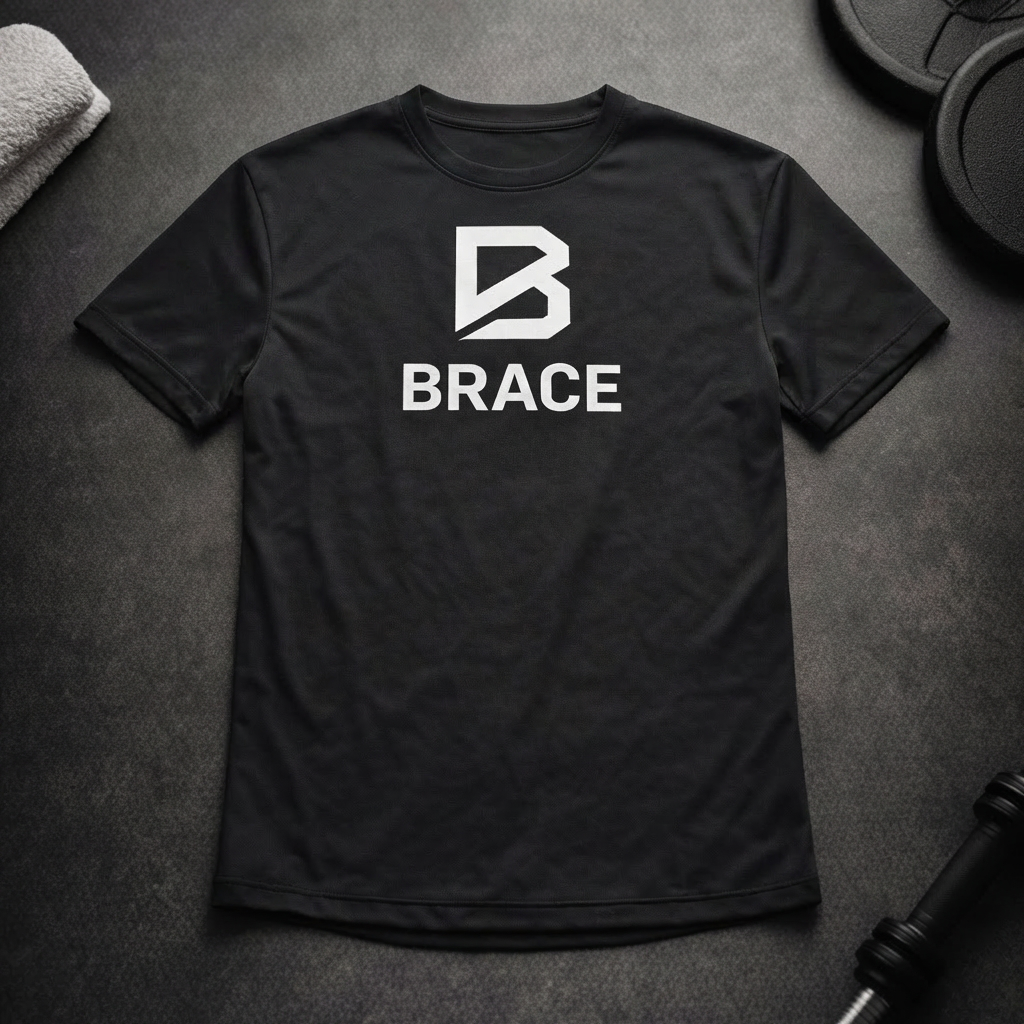
Whether you're stepping into a gym for the first time or hunting for gear that actually keeps up with your training — this is the only guide you need. We've broken down every workout type, fabric, and fit so you can stop guessing and start performing.
In This Guide
Section 01
Why Your Gym Wear Actually Matters
It's easy to dismiss gym wear as vanity — something reserved for people who care more about the mirror than the barbell. But anyone who's trained seriously knows the truth: what you wear directly affects how you perform.
A t-shirt that clings to your chest in a bench press. Shorts that ride up mid-squat. Leggings that go see-through under the lights. These aren't minor inconveniences — they're distractions that pull you out of the zone when you should be focused on your form and your lift.
Beyond performance, the right gym clothing also protects you. Compression fabrics support muscles during heavy compound lifts. Breathable panels prevent overheating during high-intensity cardio. Moisture-wicking technology keeps sweat off your skin, reducing irritation and chafing during long sessions.
And yes — when you look good, you feel confident. That translates to better training energy, and better training energy translates to results. It's not vanity. It's practical psychology.
Section 02
The Best Fabrics for Gym Clothing
Before you spend a penny on gym wear, understand the fabrics. The material is what determines whether you'll be comfortable, dry, and free to move — or sweaty, restricted, and distracted within 10 minutes of your warm-up.
Polyester
The backbone of performance gym wear. Lightweight, durable, and excellent at wicking moisture away from your skin. Holds its shape through hundreds of washes.
Best ChoiceElastane / Spandex
The secret ingredient. Even 5–10% elastane in a blend gives you full freedom of movement during squats, lunges, presses, and stretches. Non-negotiable for lifting.
Best ChoiceNylon
Slightly softer than polyester with a luxurious feel. Also moisture-wicking and durable. Popular in premium leggings and shorts. A strong alternative to polyester.
Great OptionCotton
Comfortable at rest — but in the gym, cotton absorbs sweat and holds it, becoming heavy, clingy, and uncomfortable fast. Fine for very light sessions only.
Avoid for TrainingThe sweet spot for most gym clothing is a polyester-elastane blend — typically around 85–92% polyester and 8–15% elastane. This combination gives you moisture management, durability, and full range of motion in a single garment.
Section 03
What to Wear for Each Type of Workout
There's no one-size-fits-all answer to gym wear — because different training styles have different demands. Here's exactly what to prioritise for each.
Weight Training & Lifting
- Athletic-fit joggers or shorts
- Fitted training tee or tank
- Flat-soled trainers (not running shoes)
- Lifting belt for heavy compounds
- Wrist wraps for pressing movements
Cardio & Running
- Lightweight, breathable shorts
- Moisture-wicking running tee
- Cushioned running trainers
- High-impact sports bra (women)
- Compression socks for longer sessions
Yoga & Pilates
- High-waisted leggings with 4-way stretch
- Fitted crop or longline top
- Grippy socks or bare feet
- Avoid baggy clothing — posture needs to be visible
HIIT & CrossFit
- Flexible, sweat-resistant shorts or leggings
- Cross-training shoes with lateral support
- Breathable top with mesh panels
- Secure sports bra (women)
Cycling & Spin
- Padded cycling shorts
- Fitted technical jersey or tank
- SPD or compatible shoes for spin
- Sweat-wicking headband
Outdoor Training (UK Weather)
- Moisture-wicking base layer
- Insulating mid-layer for cold mornings
- Wind/water-resistant outer layer
- Reflective details for low light
Section 04
Men's Gym Wear: What to Look For in 2026
Men's gym wear in 2026 is built around one principle: the gear should disappear. The best kit is the stuff you forget you're wearing because it's doing exactly what it should — moving with you, staying dry, and keeping you comfortable from warm-up to final rep.
Tops
Go for a fitted athletic cut — not skin-tight, but close enough to the body that it doesn't get caught in cables or bar paths. Training tees and performance tanks in polyester-elastane blends are the standard. Oversized pump covers have remained popular for pre-workout layers: they're functional, comfortable, and stylish enough to wear out post-session.
Bottoms
For lifting, tapered joggers with a secure waistband are the gold standard. They allow full squats and deadlifts without restriction, while the taper keeps the look clean. For cardio-focused days, 5" or 7" training shorts with built-in liner are ideal. Avoid anything with a loose, unstructured waistband — you don't want to be adjusting your kit mid-set.
Footwear
This one is often overlooked. Running trainers are built to cushion impact — not to provide the stable, flat base you need for squats and deadlifts. For lifting days, opt for a flat-soled training shoe or dedicated weightlifting shoe. It makes a measurable difference to your technique and safety under heavy loads.
What UK men prioritise in their gym kit
Section 05
Women's Gym Wear: 2026 Trends & Tips
Women's gym wear in 2026 has evolved beyond the gym floor. The best pieces are built to earn their keep across multiple contexts — from early morning training sessions to errands, coffee runs, and everything in between. Versatility and quality have replaced trend-chasing as the defining values.
Leggings
High-waisted leggings remain the cornerstone of women's activewear — and for good reason. They provide core support, create a smooth silhouette, and stay in place through every movement. Look for squat-proof fabrics (do the bend test before you buy) and a waistband that sits at the natural waist, not digging in below the ribs. Seamless construction reduces friction and improves comfort during high-rep sessions.
Sports Bras
Match your sports bra to your training intensity. Low-impact sessions like yoga and pilates can be served by a light-support style. For running, HIIT, or heavy lifting, you need a high-impact bra with encapsulation support and wide, padded straps. A poorly supported sports bra is both uncomfortable and damaging long-term.
2026 Colour Trends for Women's Activewear
This year has seen a move away from the all-black-everything default. Earth tones — terracotta, sage green, warm ochre — are dominating alongside rich jewel shades and bold red and blue tones. These colours work harder than neons: they're versatile enough to pair with everyday wardrobe pieces, giving your gym kit true all-day wearability.
Section 06
What to Wear if You're a Beginner
Starting out at the gym can feel overwhelming — and the last thing you need is to be standing in the wrong kit. Here's the truth: you don't need much to start. But what you do need should be right.
Your Essential Starter Kit
Two or three good training pieces will serve you better than a wardrobe full of cheap gear that falls apart. As a beginner, focus on:
- One or two moisture-wicking t-shirts or tanks — comfortable, breathable, non-restrictive
- A pair of training shorts or joggers — elastane blend, secure waistband
- Supportive, flat-soled trainers — versatile enough for weights and light cardio
- A high-quality sports bra (if applicable) — comfort and support are non-negotiable
Avoid going straight to expensive specialist gear before you know your preferred training style. Get a feel for what you enjoy — lifting, classes, cardio — and then invest in purpose-built pieces for that discipline.
Section 07
5 Common Gym Wear Mistakes
1. Wearing 100% Cotton for Intense Sessions
Cotton absorbs sweat and holds it. By the end of a hard session, you're wearing a damp, heavy, clingy shirt that adds nothing and takes away comfort. Switch to a polyester blend and feel the difference immediately.
2. Running Shoes for Lifting
Running shoes are designed to absorb impact — the cushioning that protects your joints during a run becomes instability during a heavy squat or deadlift. Use flat-soled training shoes for weight sessions. Your technique and your joints will thank you.
3. Buying Kit That Doesn't Fit Your Body Right Now
Gym wear should fit the body you have, not the body you're working towards. Clothing that fits well makes you feel confident in the gym. Confidence leads to better sessions. Better sessions lead to results. It's not complicated.
4. Washing in Hot Water
Performance fabrics degrade fast in hot washes. Always wash gym wear on a cold or 30°C cycle, inside out, without fabric softener (it clogs moisture-wicking fibres). Air dry where possible — tumble drying shortens the life of elastane significantly.
5. Prioritising Cheap Over Quality
Fast-fashion gym wear falls apart. Seams split, fabric pills, waistbands lose their hold, and dyes fade after a handful of washes. Investing in quality pieces upfront saves you money over time — and means every session is spent training, not adjusting your kit.
FAQ
Frequently Asked Questions
What should I wear to the gym as a beginner?
Start simple: a moisture-wicking t-shirt or tank, comfortable shorts or leggings with some stretch, and a supportive pair of trainers. Avoid 100% cotton. You don't need to spend a fortune — but the fabrics matter more than the price tag.
What is the best fabric for gym wear?
A polyester-elastane blend is the gold standard. Polyester wicks moisture away from the skin; elastane gives you full freedom of movement. Look for 85–92% polyester and 8–15% elastane for the best performance.
What should men wear at the gym for lifting?
Tapered joggers or training shorts in a poly-elastane blend, a fitted training tee or tank, and flat-soled shoes. For heavy compound lifts, a good lifting belt adds support and safety.
What are the best women's gym wear trends in 2026?
High-waisted seamless leggings, high-impact sports bras, and versatile pieces in earth tones (terracotta, sage, ochre) or bold jewel shades. The focus is on quality, versatility, and pieces that work beyond the gym.
Can I wear the same gym clothes for every workout?
A versatile set of basics will cover most sessions, but specific workouts benefit from purpose-built gear. Running demands cushioning and breathability; lifting requires stability and freedom of movement. As your training develops, build out your kit accordingly.
How do I make gym wear last longer?
Wash cold (30°C or below), inside out, without fabric softener. Air dry where possible. Rotate between several pieces rather than washing the same items repeatedly. Store folded — not crumpled at the bottom of a bag.
READY TO TRAIN IN KIT THAT KEEPS UP?
Shop the full BRACE GymWear collection — built for lifters, runners, and everyone in between. Free worldwide shipping on orders over £40.
SHOP BRACE GYMWEAR →